

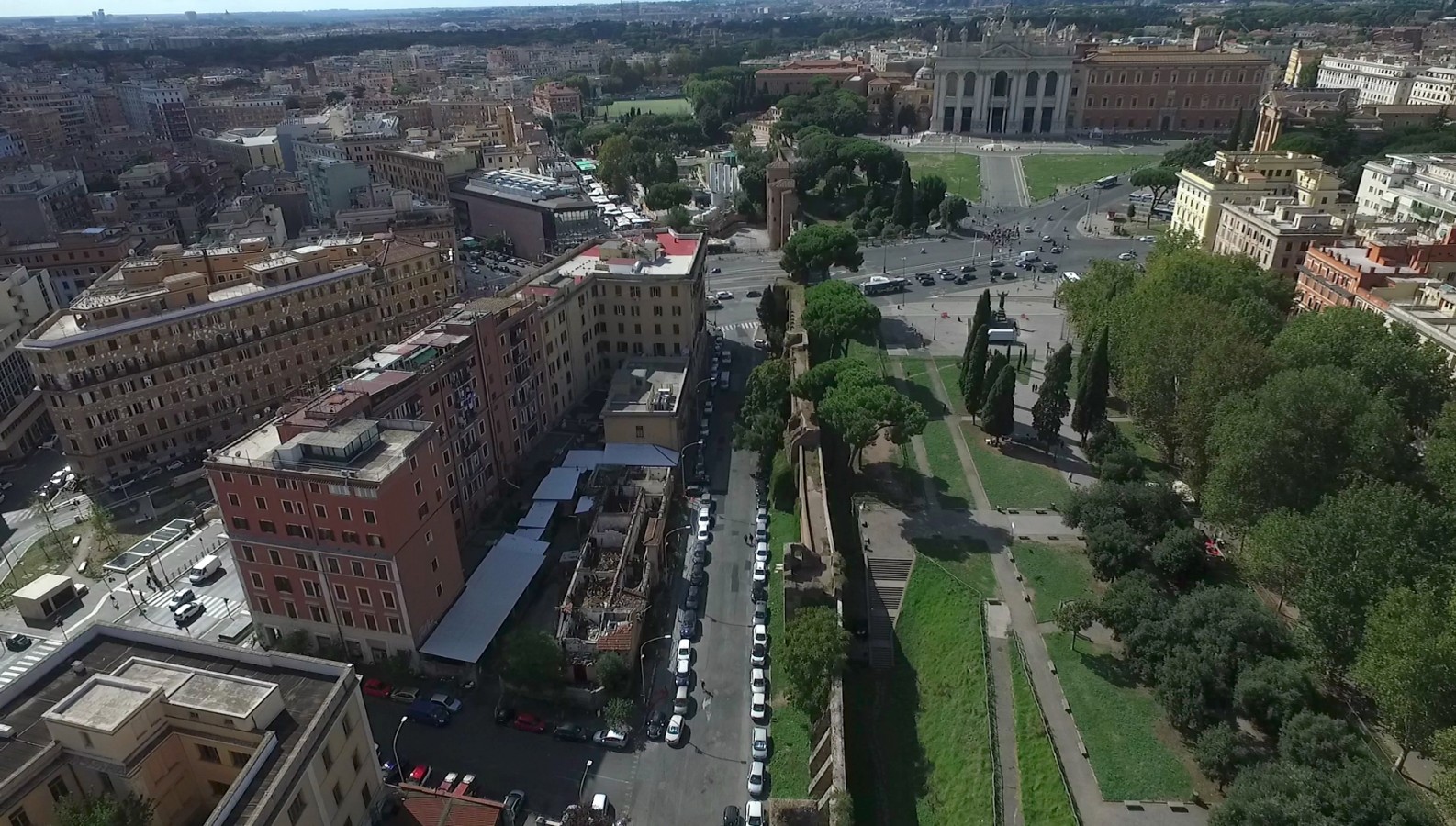
Winning project: Ex Filanda
Team representative: CAM S.p.A
Architect and Urban Planner: IT’S Architect, Arch. Lorenzo Busnengo
Environmental expert: OGB Studio, SOCIP
Construction company: MAC S.r.l
Consultant: Urban Regeneration
Tenant: Dovevivo, Excellence IT’S team: Estella Macchi Di Cellere, Luca Petroni
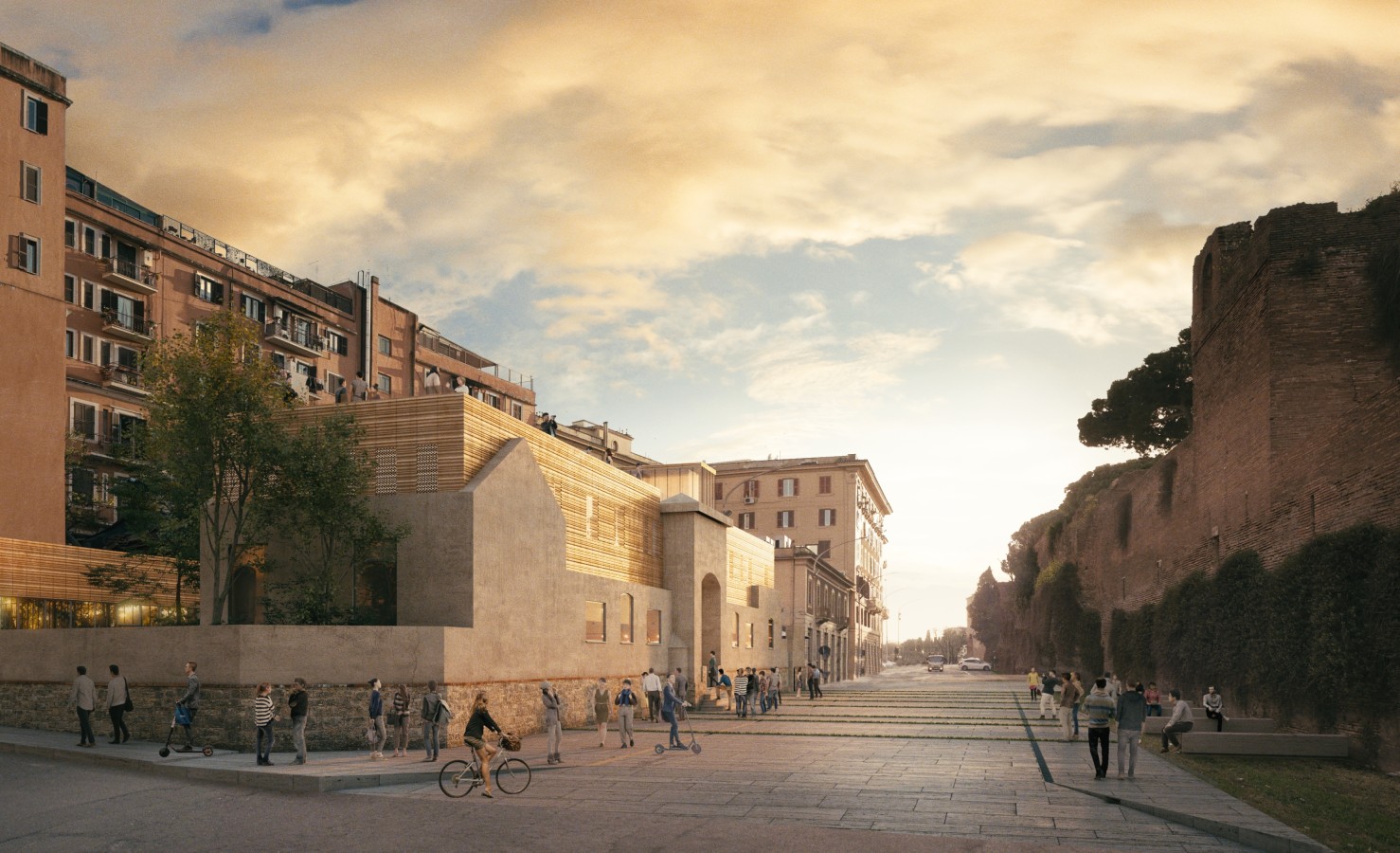
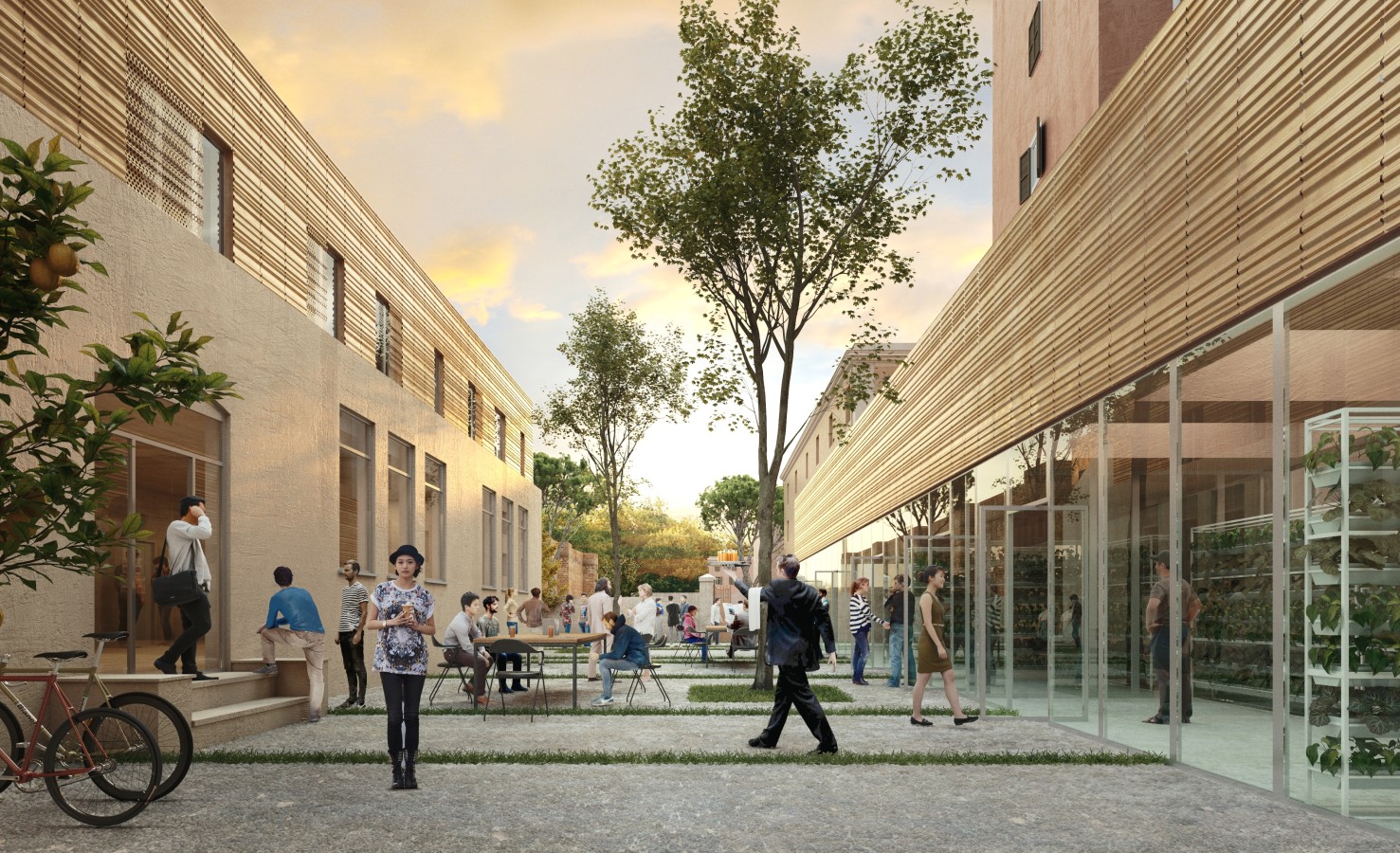
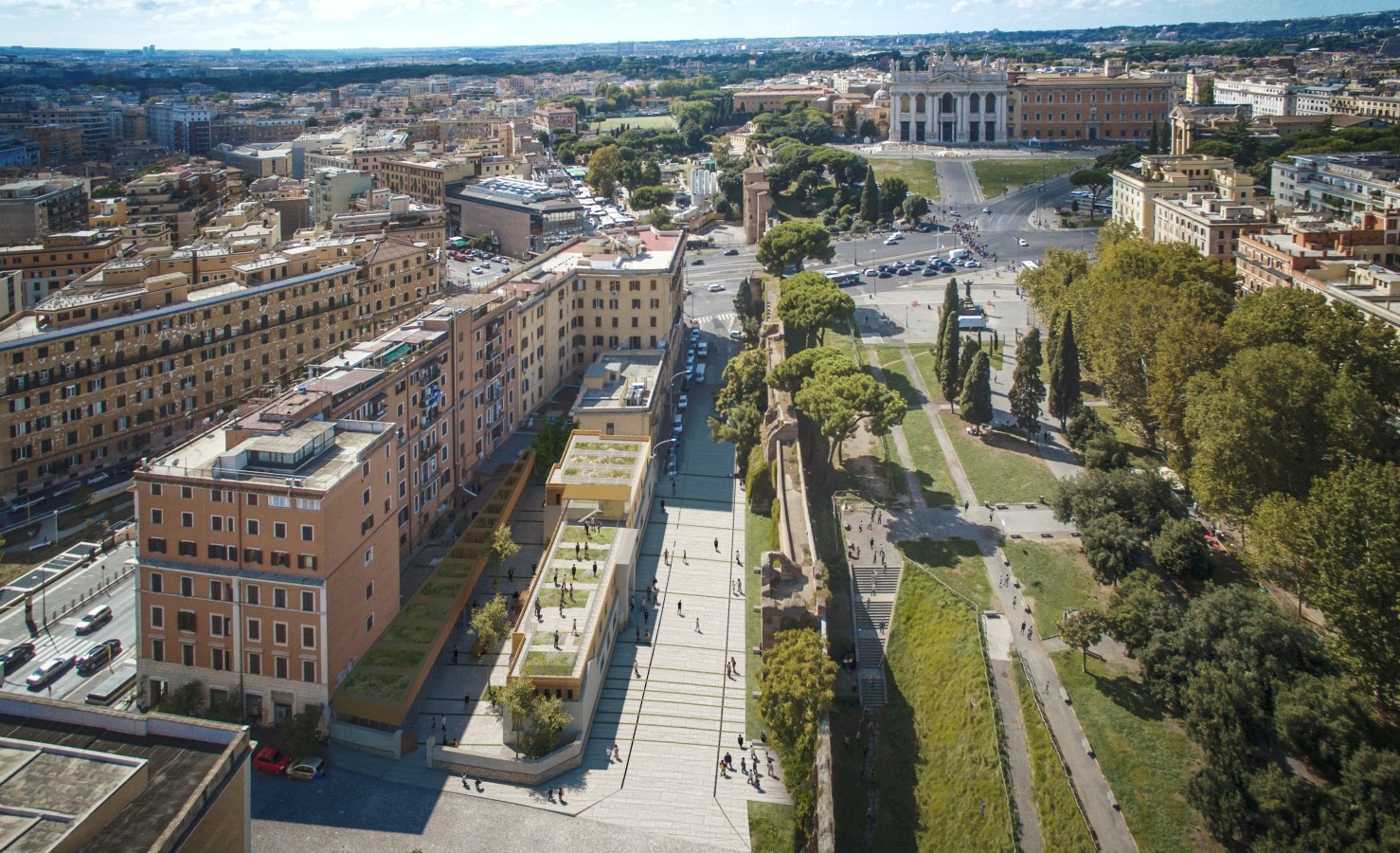
The Ex Filanda redevelopment project seeks to amplify these ongoing urban dynamics. In particular, the project supports the revitalisation of Viale Castrense by introducing collective functions and activities open to the public – co-working, event spaces, co-living, food – that generate new urban and social dynamics.The project considers the land according to its capacity as an activator of virtuous urban cycles, such as when reserved for urban agriculture, which could facilitate a series of co-benefits: the production of food within the city, the reduction of the heat island effect, rainwater runoff, energy savings from the reduction of the consequent movement.
The idea of maintaining – through restoration – the walls of the pre-existing building as fragments of historical identity, in which to insert a new building proportionate to the existing one, highlights the intention of allowing past and present to coexist within the same project. The result is a hybrid space, not only in terms of time, which is porous and permeable, in which the old meets the contemporary, and the private is integrated with the public, which together with the proposed programme to create co-living, co-working and event spaces, will foster the establishment of a small, local community, revealing new collective approaches.
Presentation of the site
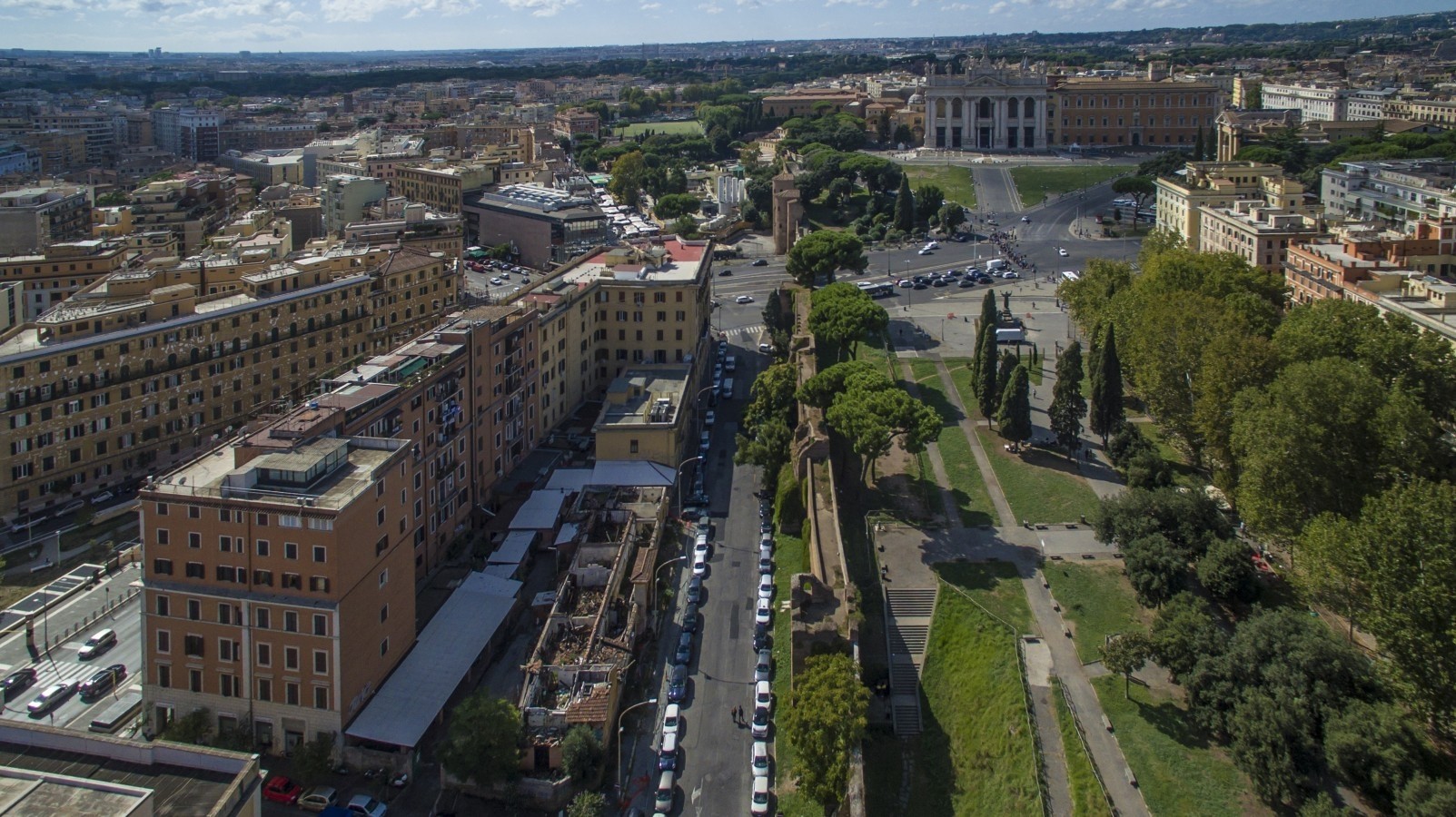
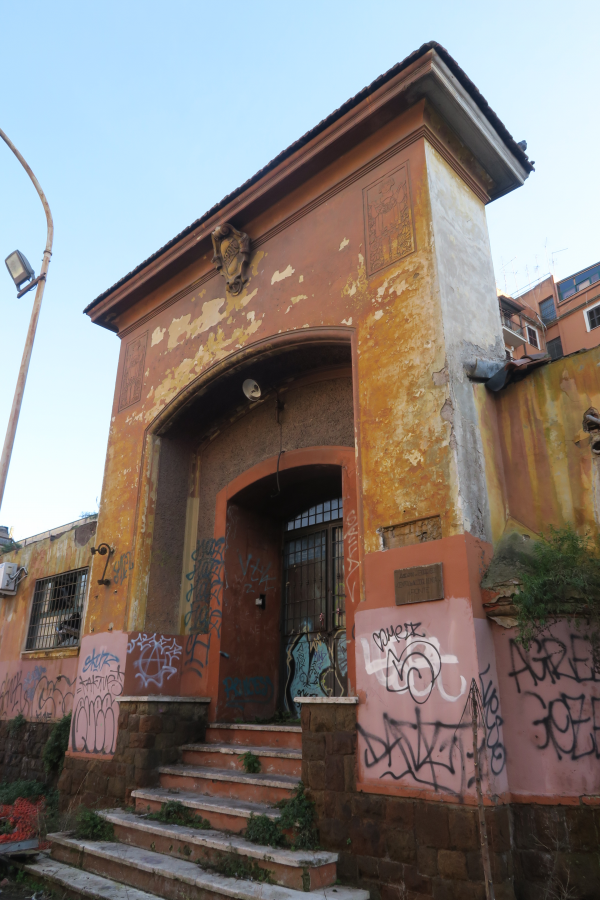
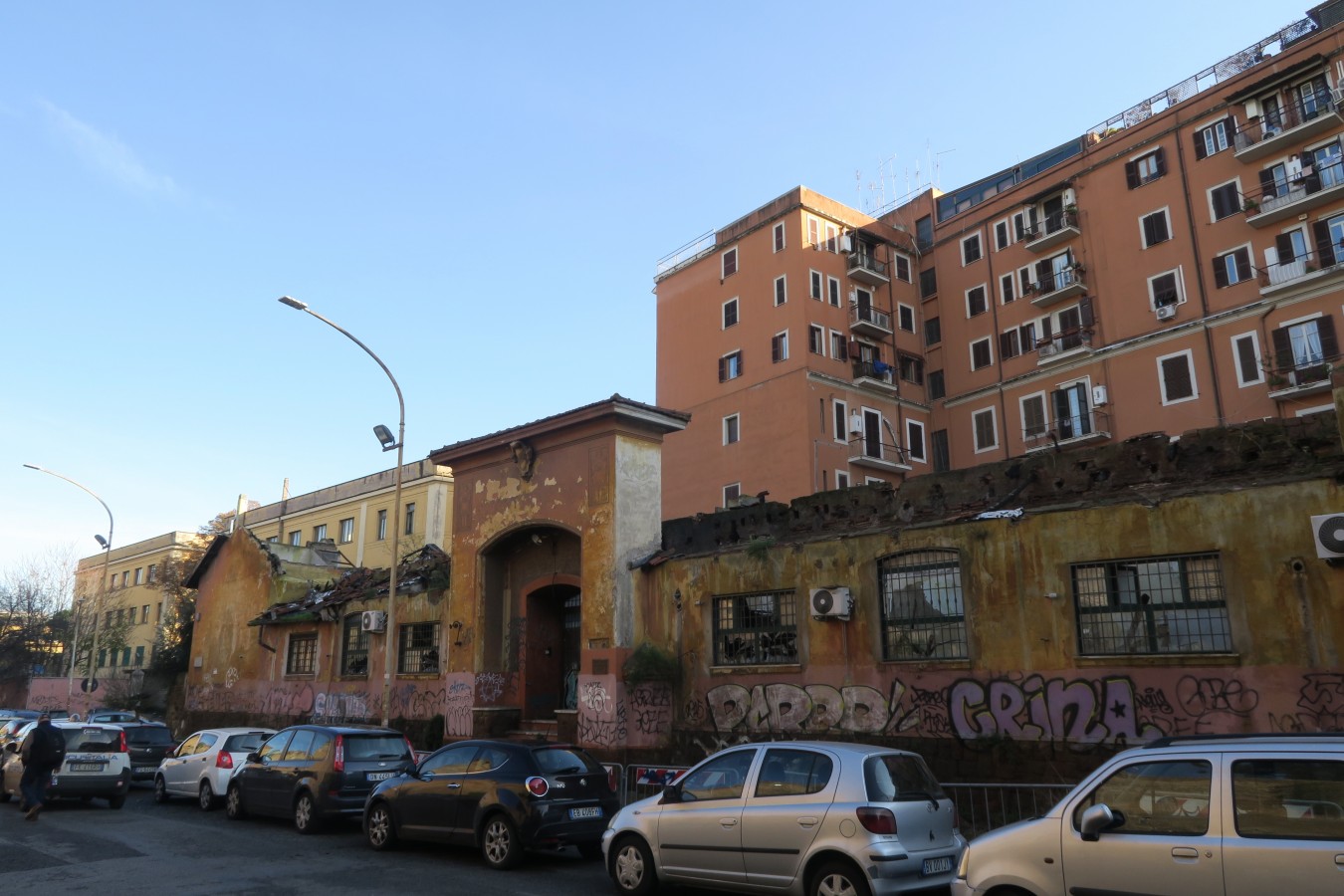
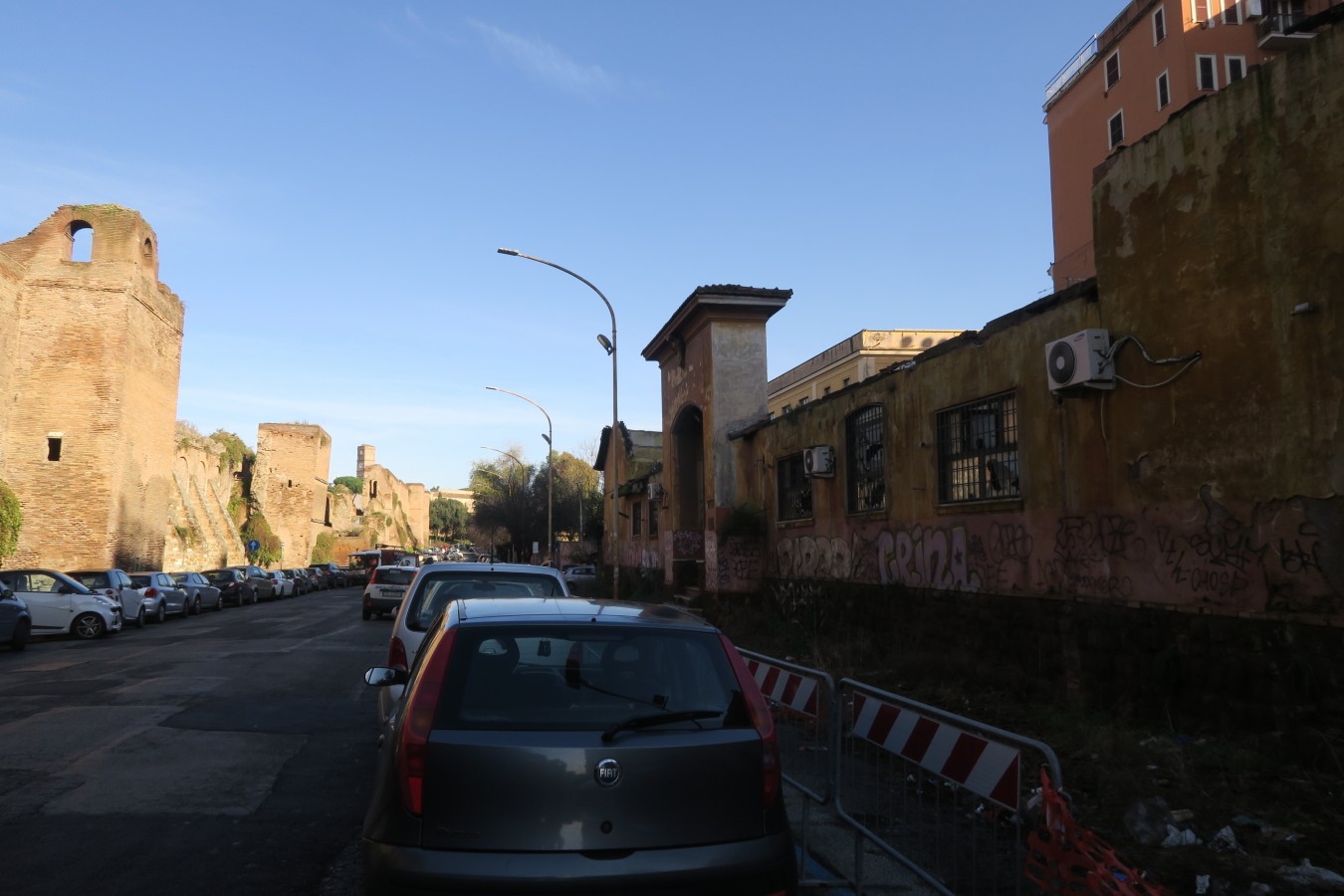
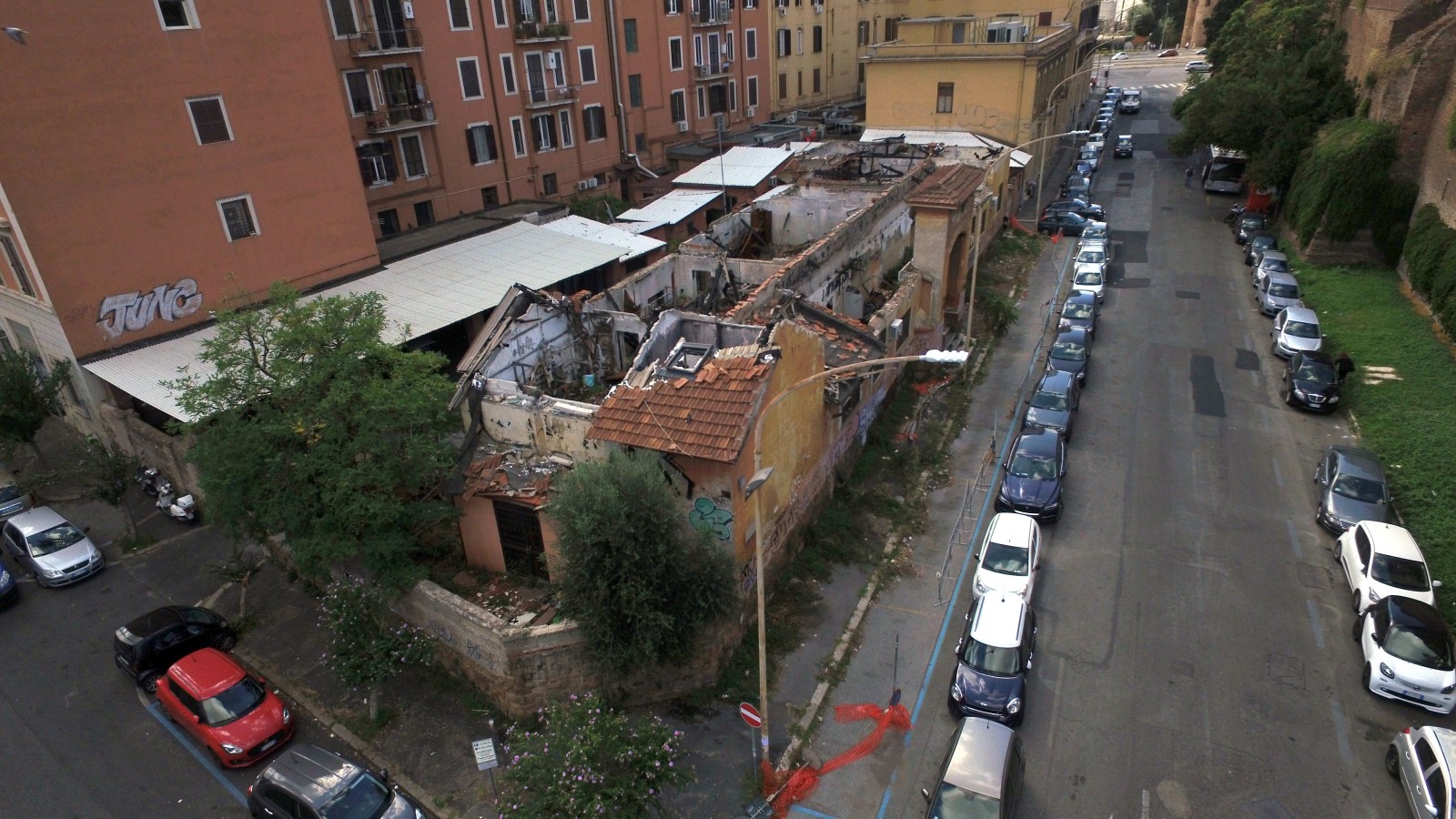
The Ex Filanda, centrally located in a densely populated area facing the Aurelian Walls - between the Archbasilica of St John Lateran and the Basilica di Santa Croce in Gerusalemme - sets the basis for a unique chance of urban regeneration. The historical building, originally intended to be a craft institute, was later destined and used for different purposes.
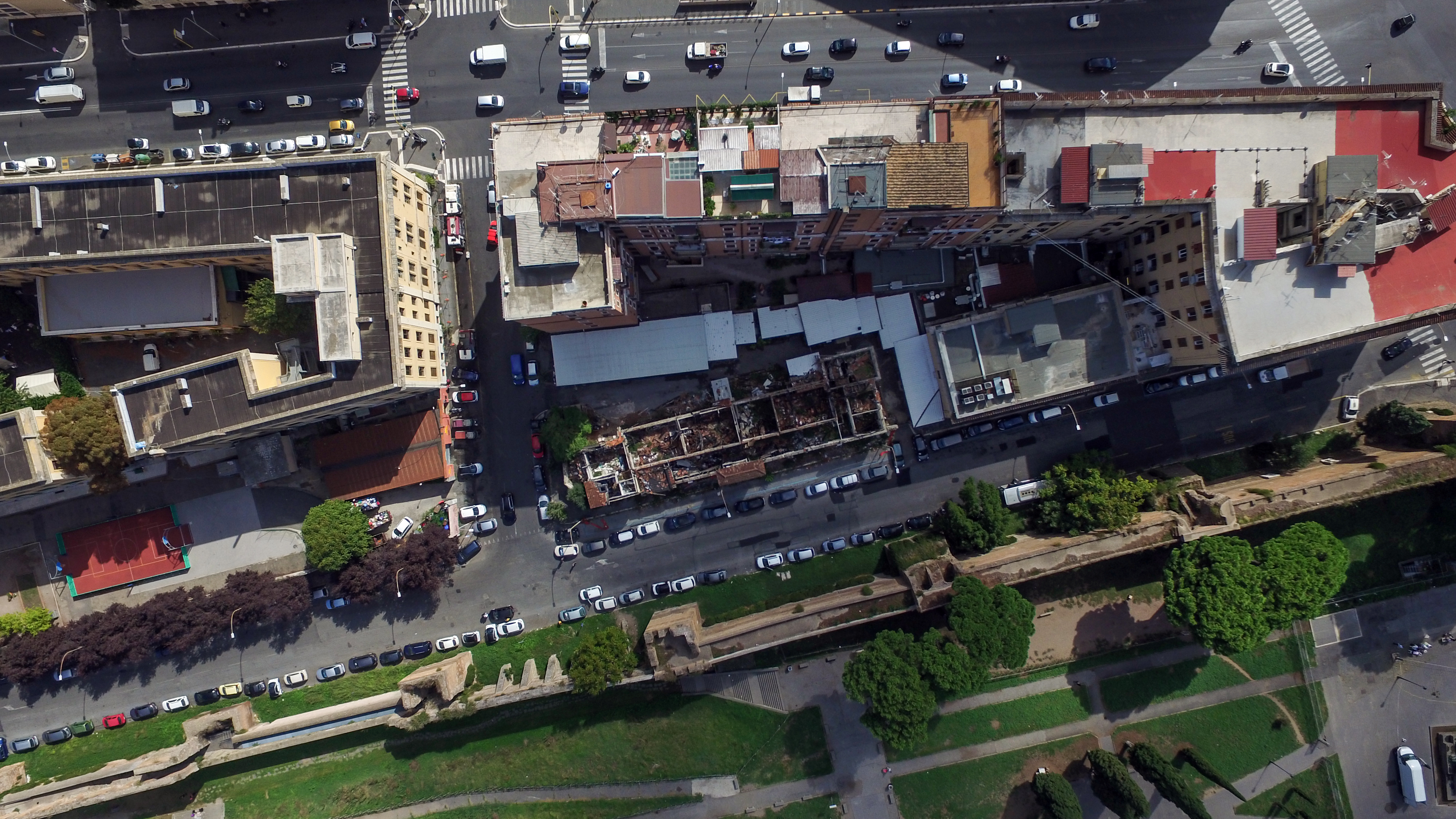
In 2015, three devastating fires have seriously damaged the site, leading to its subsequent abandonment. Recently a study was implemented to launch an urban redevelopment project connected to Viale Castrense following the late opening of new “Pigneto” and “San Giovanni” Line C metro stations, which have improved the connection of the area to Viale Castrense. This aimed at partially pedestrianizing Viale Castrense area and increasing its integration with the Carlo Felice Gardens located nearby.

Information
Expected programThe proposed functions should be among those allowed in the technical urban modification plan (Annex no. 2). Housing buildings are admitted, as complementary to the main services to be implemented.
As an example:
Services, professional firms and business services, training and education centres, common equipped areas, cultural facilities, artistic and craft studios, university facilities, including student residences and guestrooms, public services, Social Housing etc.
Proposals should strengthen social inclusion by promoting the implementation of pedestrianisation schemes in some parts of the area; create new services, ensure architectural and urban quality, in harmony with the historical and cultural heritage context.
Site’s owner
Roma Capitale
Plot Area
The land surface of the area is 1,250 sqm.
Type of property transfer intended
Roma Capitale does not dispose of the exclusive property right but will consider proposals aimed at the enhancement of the assets in a partnership for the establishment of partial rights to use or as administrative concessions of use / fruition. The duration of the right to use cannot exceed 50 (fifty) years from the ratification of the contract/convention, with possible renewal and given the discretion of the owner “Roma Capitale”. The economic bid will be evaluated in the second and final stage of the tendering procedure.
Deadline for the submission of the Expression of Interest
6 July 2020 12:00 PM UTC
Language Requirements
All the documents of the EOI must be submitted in Italian
