

Winning Team 41∞ Commons
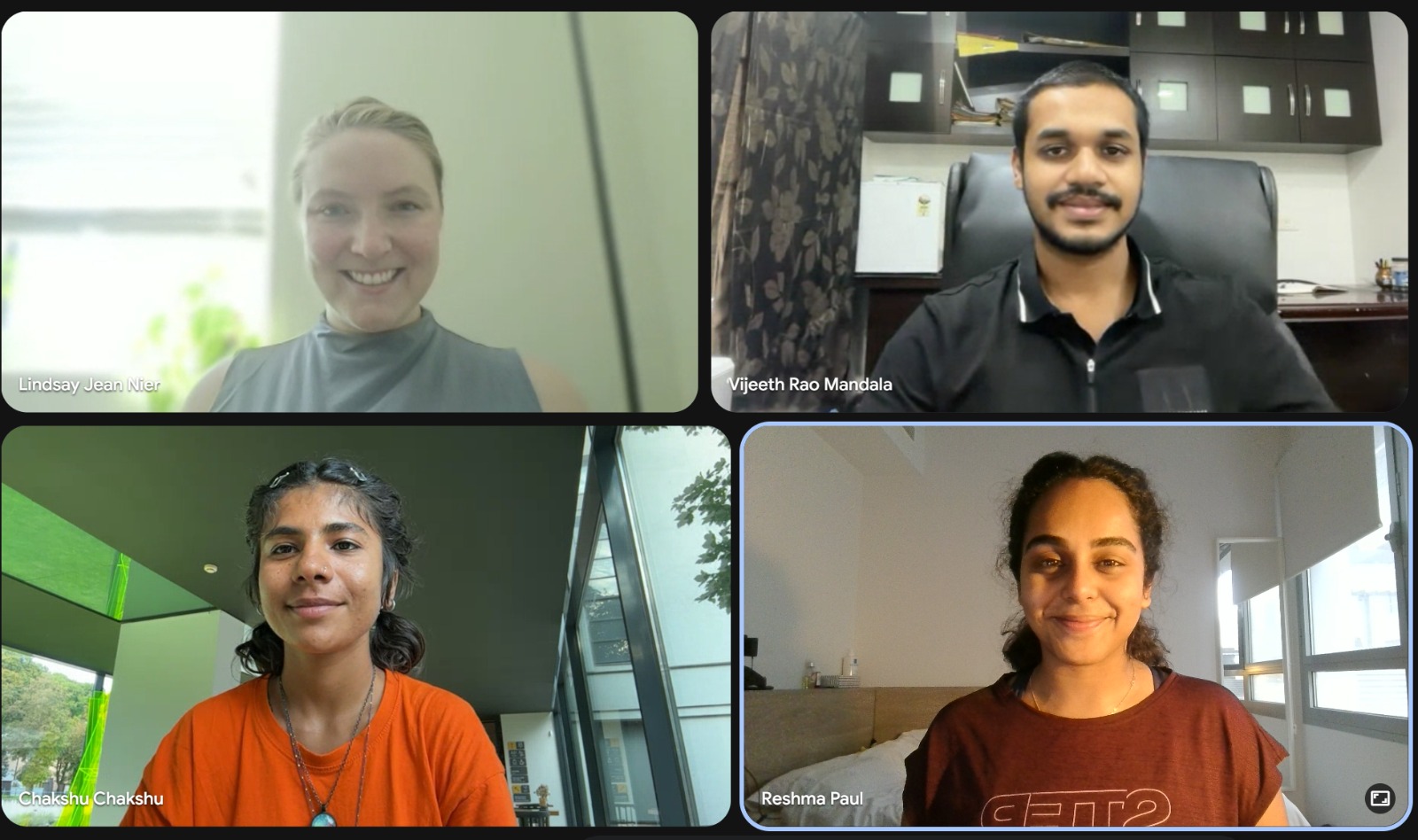
Members: Reshma Paul, Chakshu, Lindsay Nier, Vijeeth Rao Mandala
Project Overview TPH on the Move!
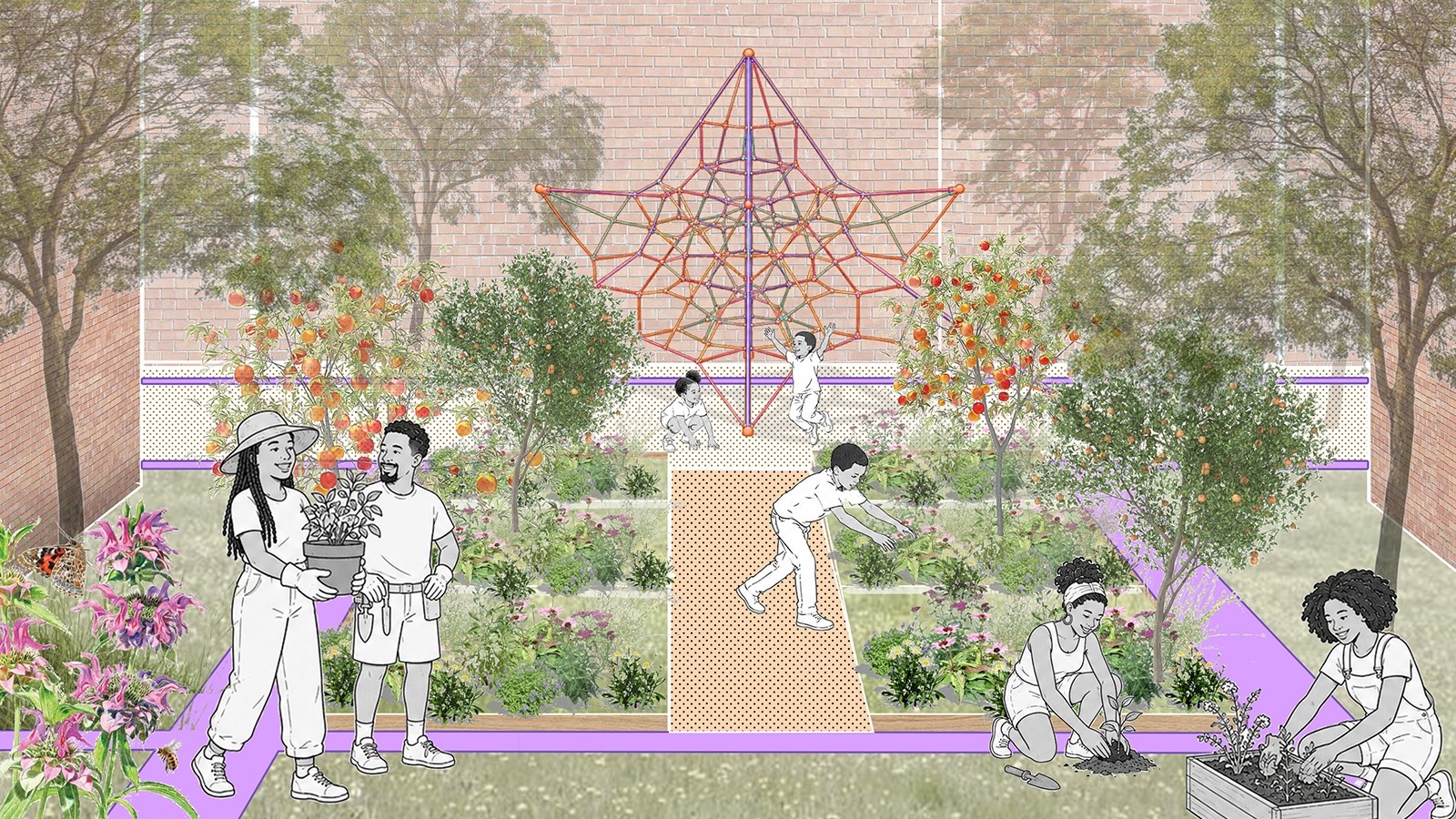
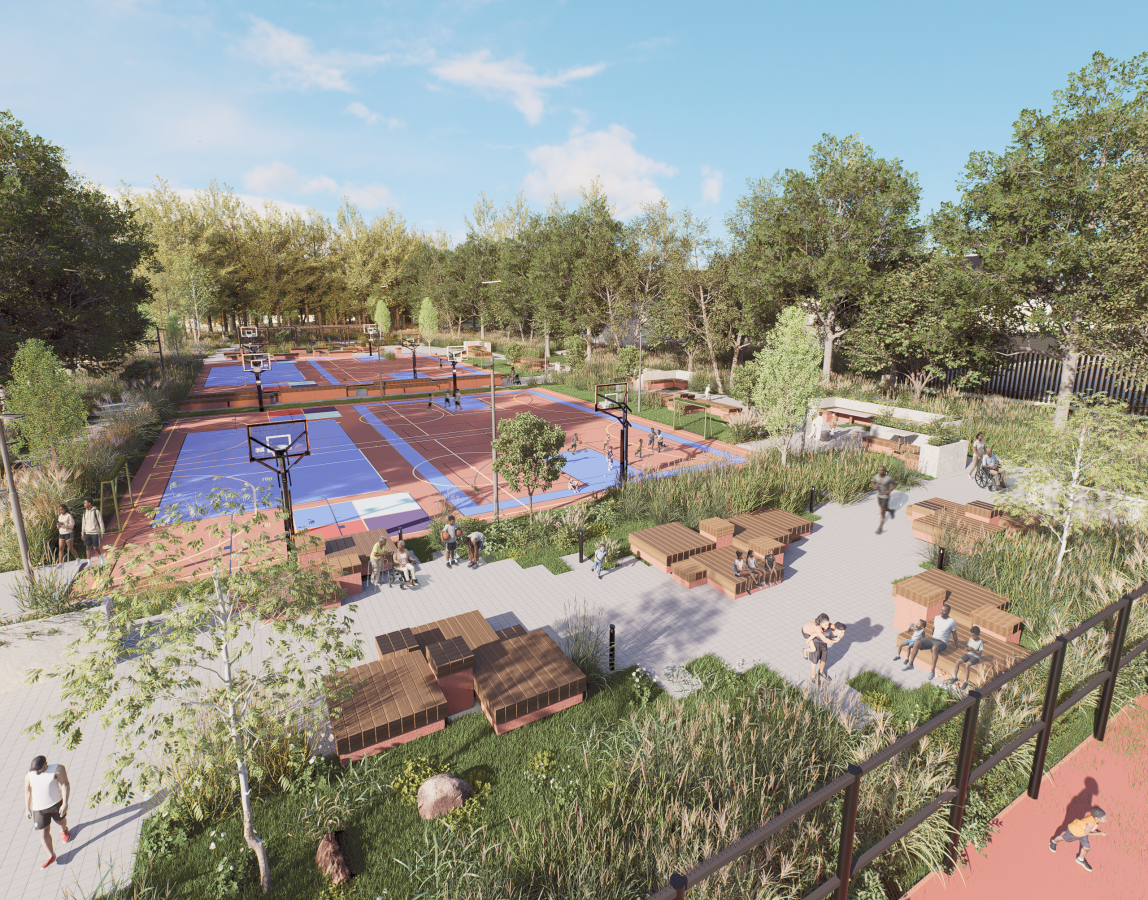
TPH on the Move! applies Mimi Sheller's Mobility Justice framework to Trumbull Park Homes in South Deering, addressing transit, social, and environmental mobility as interrelated dimensions of public housing infrastructure. The design centres on tweens (ages 10–13), an underserved demographic, through multi-functional, choice-driven spaces intended to foster social connection and community stewardship.
The proposal is grounded in a custom Compound Environmental Vulnerability Index and computer vision analysis, used to identify localised flooding, heat island effects, and industrial odour. Interventions including bioswales with check dams, sensory gardens, and air trellises are paired with youth-led environmental monitoring activities, such as the game Scribbly Situations, establishing a scalable approach to environmental justice within public housing contexts.
Check out the documentation tab to view the winning team's proposal!
Honorable Mentions
FutureScape with members Andrey Aleksandrov, Alena Kirsanova, Dmitriy Matveev, Ivan Alov, Grigoriy Atamanov, Anna Sokolova, Viacheslav Samuleev
Let's get ready to Trumbull! With members Annie Yang, Samuel Klein, Grace Sternberger, Hanxue Jiang, Julien Siegel, Ellen Ma
Congratulations to all participating teams! Thank you for bringing your bold visions to this site challenge.
The Site
The The City of Chicago, in partnership with the Chicago Housing Authority, is seeking innovative design ideas that will help envision solutions for environmental concerns and promote a sustainable, inclusive urban living environment in the Trumbull Park Homes neighborhood. The site includes a historic public housing community and a large public park located on Chicago’s Southeast Side, in the South Deering community, an area of heavy industrial use known as the “toxic donut.”
Built in 1938 as part of FDR’s New Deal, Trumbull Park Homes holds historical significance as a site of the Civil Rights movement in Chicago. Today, it is home to over 400 families, with approximately 40% of residents under 18 and 10% senior citizens. Environmental challenges include frequent flooding, strong odors, poor air quality, and heat vulnerability from surrounding industrial activities.
The aim of this challenge is for participants to develop design concepts that address these environmental and social challenges through sustainable and inclusive solutions. Designs should activate green spaces between buildings, improve social cohesion, and enhance the environmental health of the community and surrounding public park.
Approx. site area
The site area is approximately 40 acres, including a large neighborhood and public park.
Key information
About 80% of South Deering is zoned as industrial, natural wetlands, or parks. The remaining 20% is zoned for residential or small-scale commercial use. Designs should activate and prioritise green space surrounding Trumbull Park Homes and the adjacent Trumbull Park.


Download specific documents for this site
Keep me posted!
Questions?
If you have a question or would like more details on the site and the Students Reinventing Cities competition, please use the form below. You will receive a response via email.
