


Winning project: Alma
Team Representative – Investor: Cooperativa Edificatrice Ansaloni SC
Investor: Abitcoop Cooperativa di abitazione della provincia di Modena – Soc.Coop.
Investor and Developer: C.M.B Società Cooperativa Muratori e Braccianti di Carpi
Design expert: Open Project Srl
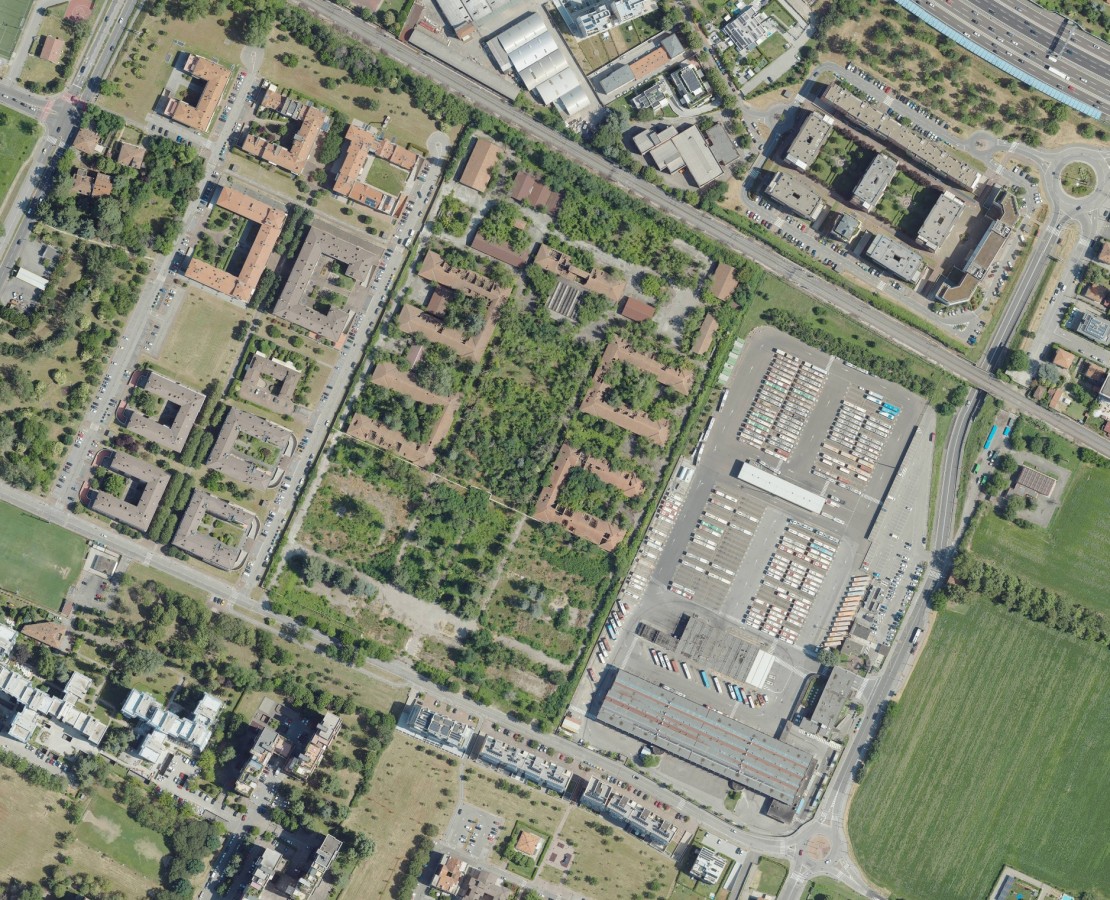
The ALMA project transforms a 58,000 m² former military site Ex Caserma Perotti into a climate-neutral mixed-use neighborhood built around proximity, diversity, and shared living, forming an urban ecosystem that blends architecture, landscape, environmental and social sustainability.
The proposal aims to restore the environmental and social value of a site that is currently inaccessible, returning it to the city as a space for coexistence, with open areas and a large central park that will serve as a green lung. Alma integrates with the district by expanding local services, offering residences, student housing with shared spaces and study rooms, neighborhood shops, sports areas, and community centers. The park acts as a natural filter, offering cooling, supporting community activities, and promoting sustainability to address climate change within an accessible landscape.
The Alma project proposal from its multidisciplinary team of professionals and specialists in the fields of urban planning and, in particular, sustainability and innovation. The team offered over €6 million for the purchase of the complex, with an expected investment of around €80 million.
Key components and solutions
Mixed-use development integrating services, residences, student housing, common green areas, neighborhood shops, and sports facilities across 58,000 m²
It includes a central urban forest with nine ecosystem habitats functioning as green lung for natural cooling, biodiversity support, stormwater management, and climate adaptation
The project achieves 52% reduction in embodied carbon (23.9 vs 49.6 kgCO₂e/m²/year) and 50% reduction in total emissions through recycled steel structures, low-clinker concrete, full electrification, and renewable energy.
Bioclimatic design optimizes passive heating, cooling, and natural ventilation to reduce energy demand
On-site renewable energy generation powers the development
Rainwater collection and reuse systems minimize water consumption
Locally-sourced, low-carbon materials throughout construction reducing embodied emissions
LEED and CasaClima certifications, combined with Life Cycle Assessment (LCA), ensure measurable sustainability outcomes
Participatory design methodology involving residents, associations, and institutions from initial phases, combined with green jobs training, strengthening community engagement and establishing a replicable model for EU 2050 climate neutrality

Presentation of the site
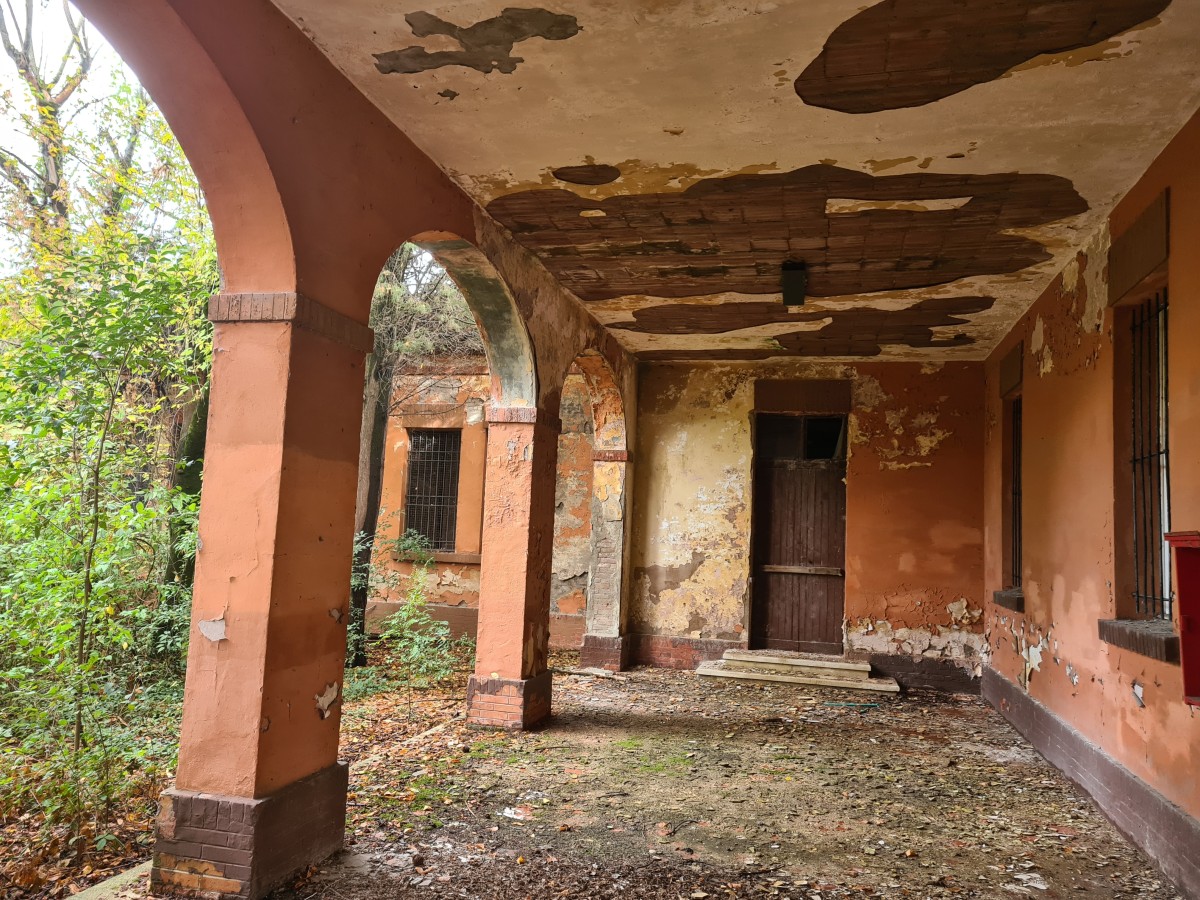
The proposed transformation pertains to a section of the former 'G. Perotti' barracks area, a complex dating back to the early 1940s, located on the eastern outskirts of Bologna in close proximity to the ring road and motorway Junction.
The area is located on the outskirts of a portion of the city, planned and built post World War II and is characterised by a robust network of green spaces, slow mobility routes and a strong presence of services for the population. To the south lies a district designated for Affordable and Popular Housing constructed in the 1970s, complemented by Detailed Plans established in response to Bologna's 1985 PRG.
In the immediate context, several initiatives are underway that will shape the future configuration of the area such as the construction of a complex designed for public functions and the offices of the Revenue Agency, in another section of the former 'Perotti' barracks. The creation of new services and planned networking interventions make the area particularly attractive for green and inclusive urban regeneration, including services, public spaces and housing.

Expected Land Use:
The objective of the transformation is to initiate a process of urban regeneration with low environmental impact and significant social value, to be implemented through an urban restructuring intervention. The intervention, in addition to the existing total volume (approximately 80,880 cubic metres, a figure to be confirmed by the successful bidder in relation to the regulations and legislation in force at the time of issuing the building permit), will be able to benefit from a volume increase of 10%. Of the volume realised, at least 30% must be allocated to university housing, the subsequent management of which shall be the responsibility of the successful bidder, who shall apply the prices of the 'capped fee'; the intervention will generate areas for public facilities (including equipped public spaces and public car parks) of no less than 100 sqm/100 sqm of usable area.
Type of Property transfer intended:
Valorisation through sale of the complex.
"After the first and positive experience of our city's participation in the C40 Reinventing Cities program, this year we joined the call together with the Italian Public Property Agency with the project of the former Perotti barracks. A project focused on the answer to the growing pressure on inclusive housing, in particular supporting young people and students in our city. A project in line with the City of Knowledge and Green Footprint city-wide initiatives, which fully reflect the ambitious goals of the Reinventing Cities program." Deputy Mayor for Urban Planning of Bologna, Raffaele Laudani


Download specific documents for this site
Plot Area:
The size of the intervention area (land area) is approximately 58,000 square metres.
Site Ownership:
State Property.
Questions?
If you have a question or would like more details on the Reinventing Cities competition, please use the form below. You will receive a response via email.
