

Winning Team Warteg 2.0
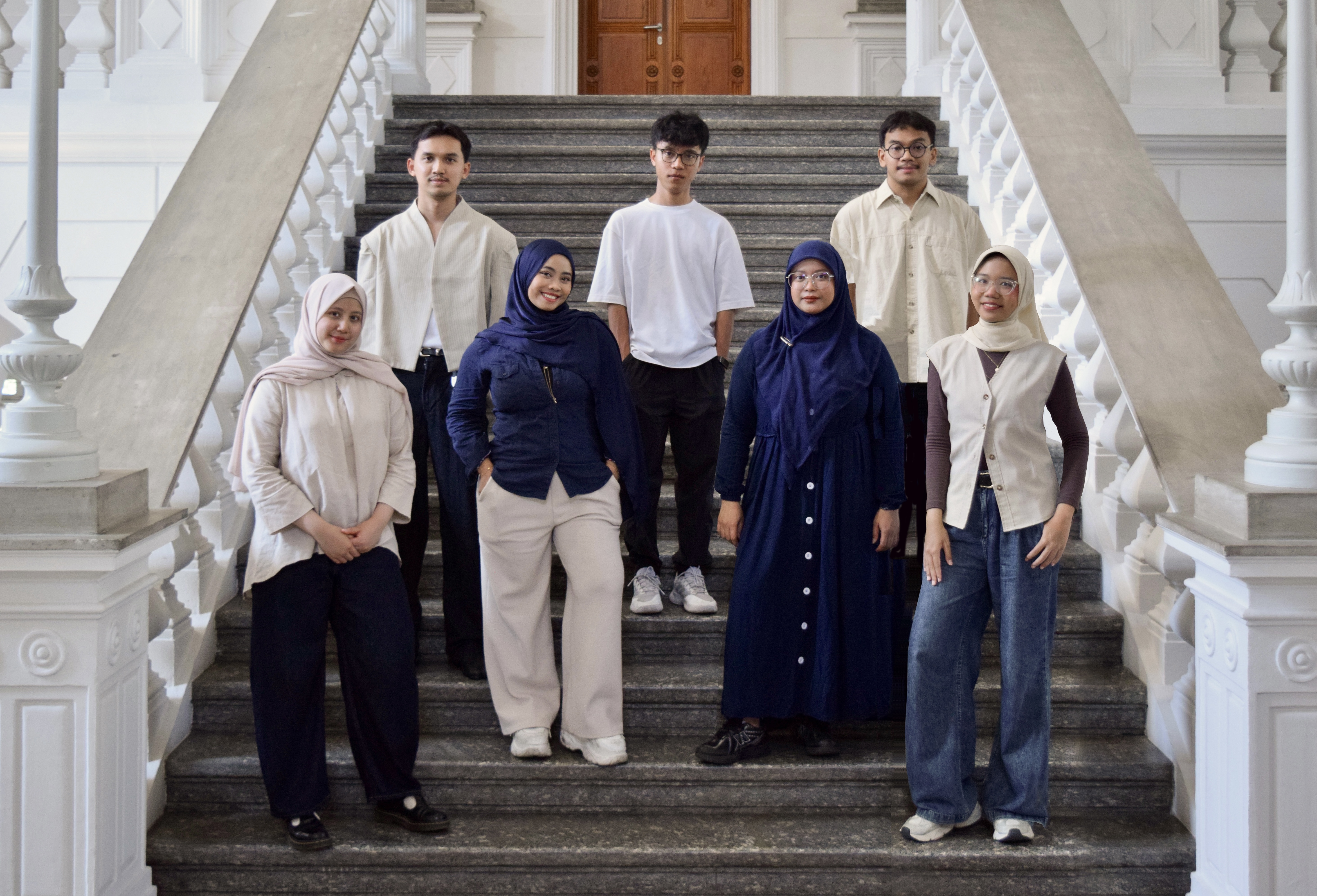
Members: Avi Sovia, Prayoga Arya Wirasana, Gina Aura Ramdan, Nada Varraya Maryam Putro, Ayesha Kamila Rafifah, Meizzhan Hady, Elia Andwijuva Imanuel
Project Overview #SatuSetu
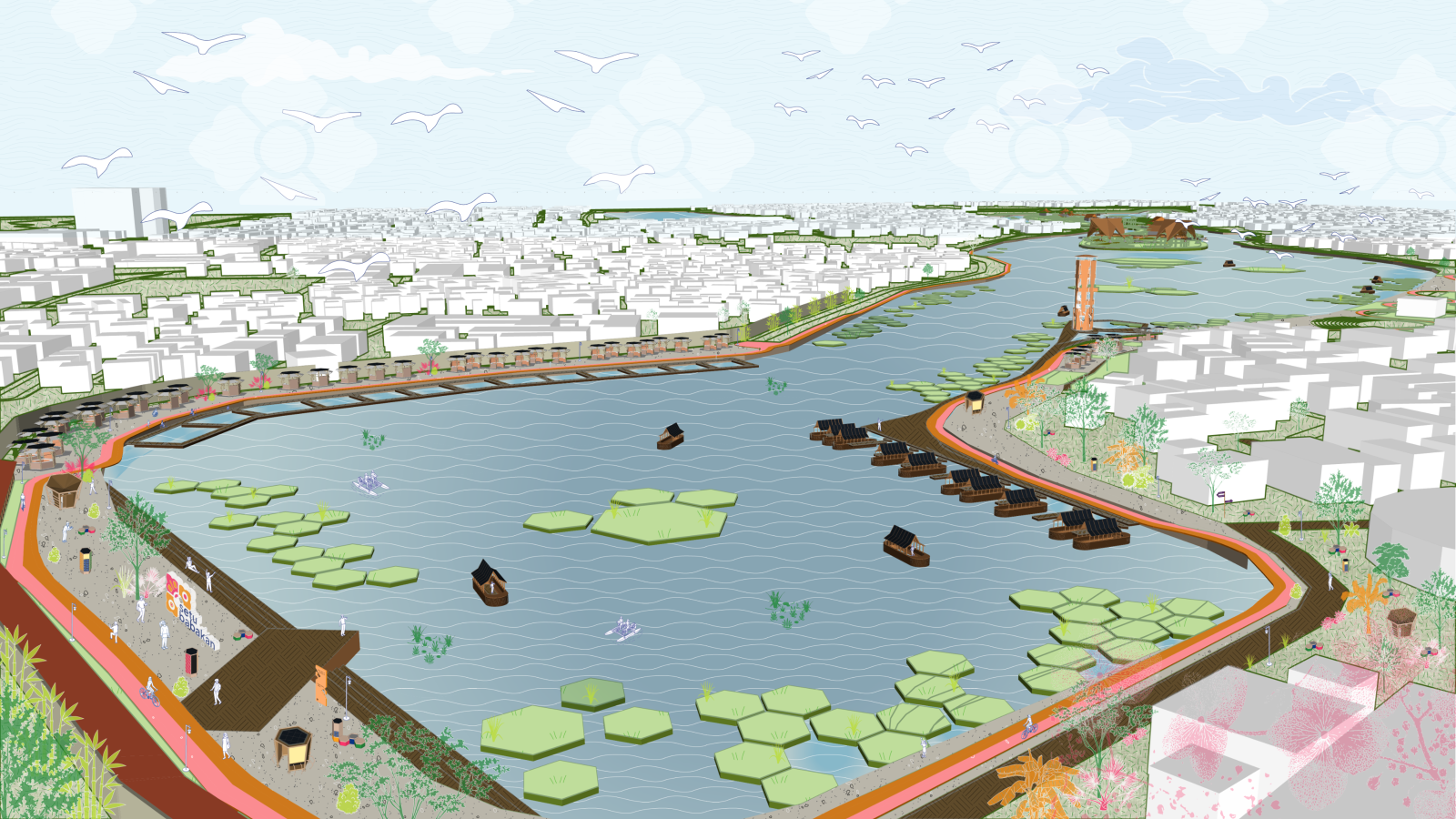
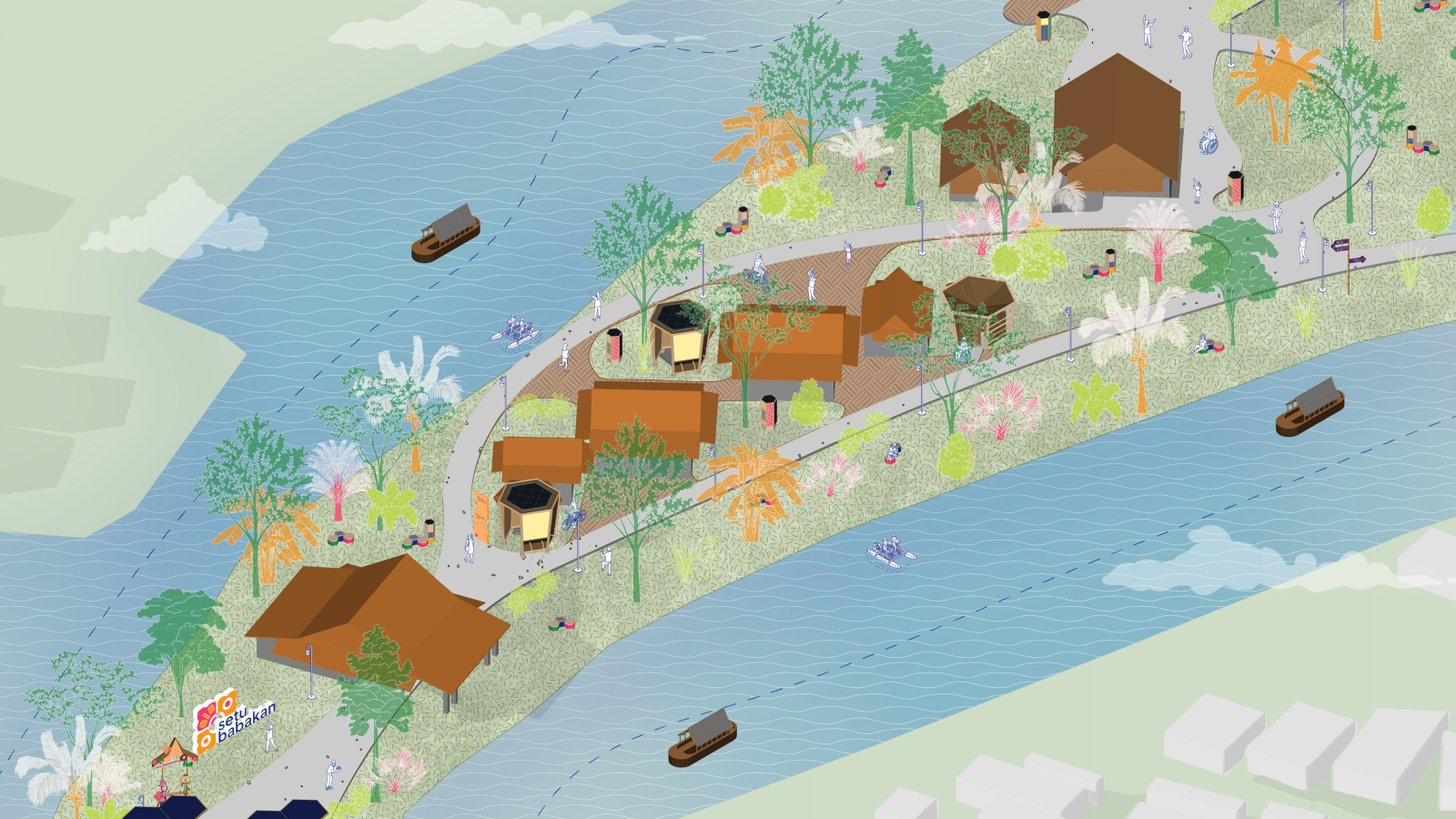
#SatuSetu reconstitutes Setu Babakan as a self-sustaining waterfront ecosystem grounded in Betawi cultural heritage and circular urban living. The core concept establishes an integrated network across four intervention scales—urban, border, island, and micro-infrastructure—where water management, renewable energy, waste recovery, local food production, and community economy operate as a unified system. By positioning the lake as a living connector, the project revitalizes fragmented waterfront relationships to create a model for regenerative public spaces.
The proposal's major strengths rest in its environmental performance and socio-economic impact. Its blue-green infrastructure, including bioswales and floating wetlands, significantly reduces peak stormwater runoff while improving water quality and local biodiversity. A dedicated waste facility and circular community hub divert substantial waste from landfills each year, converting materials into compost and recyclables. Additionally, a solar PV network provides clean power for site amenities and solar-assisted electric taxi boats, cutting annual carbon emissions.
Check out the documentation tab to view the winning team's proposal!
"We join Youth Reinventing Cities because we believe young people are the solution to Jakarta urban challenges. I am impressed by the winning team creativity to connect sustainability with the people's need for Jakarta. Collaborating with young people means getting fresh ideas and working together to create a better city for the future." — Governor of Jakarta
Honorable Mentions
Studio Betwixt with members Manivannan Jothikumaravel, Gowri Shankar Vivekanandan, Bhavana Bristee Bora, Stefano Lapo Ghilardotti, Upasini Vondkar Kodandaram, Nandyala Raja Rajeswari devi, Anusha Vinayagam
Kampung collective with members Nurzhigit Kalybay, Nurdina Abdildayeva, Raqida Kilamahia Kasworo, Assel Bayasheva, Atharva Dhavale, Aiya Akhmetzhan, Ayana Narbayeva
Congratulations to all participating teams! Thank you for bringing your bold visions to this site challenge.
The Site
Located in Srengseng Sawah, Jagakarsa District, South Jakarta, the competition site is part of the Betawi Cultural Village – Setu Babakan, Jakarta’s main cultural preservation area established under Regional Regulation No. 3 of 2005. The wider 289-hectare area integrates traditional Betawi settlements, cultural facilities, city forests, and two natural lakes – Setu Babakan and Setu Mangga Bolong – forming a living landscape that combines heritage conservation, ecology, and community life.
The competition area covers approximately 7.5 hectares, encompassing the 10-metre-wide lakeside perimeter and the central island of Setu Babakan Lake, managed by the Betawi Cultural Village Management Unit under the Department of Culture. This site represents the ecological and cultural heart of the village, where traditional Betawi identity coexists with Jakarta’s environmental challenges.
The City of Jakarta, through its Department of Culture, invites students to develop design concepts that harmonize cultural preservation with ecological innovation. Proposals should integrate nature-based solutions (NbS) that enhance water quality, biodiversity, and climate resilience while celebrating Betawi heritage through architecture, landscape, and community use.
Approx. site area
7.5 hectares, including the lake’s 10-metre-wide perimeter and its central island, within the 289-hectare Betawi Cultural Village – Setu Babakan.

Key information
The area preserves Betawi cultural identity while serving as a living model of water-adaptive urban design. It is managed jointly by the Department of Culture, Department of Water Resources, and Department of Parks and City Forests, under Jakarta’s Spatial Plan 2024–2044 (Regional Regulation No. 7 of 2024).


Download specific documents for this site
Keep me posted!
Questions?
If you have a question or would like more details on the site and the Students Reinventing Cities competition, please use the form below. You will receive a response via email.
