
Madureira
Rio de Janeiro, Brazil
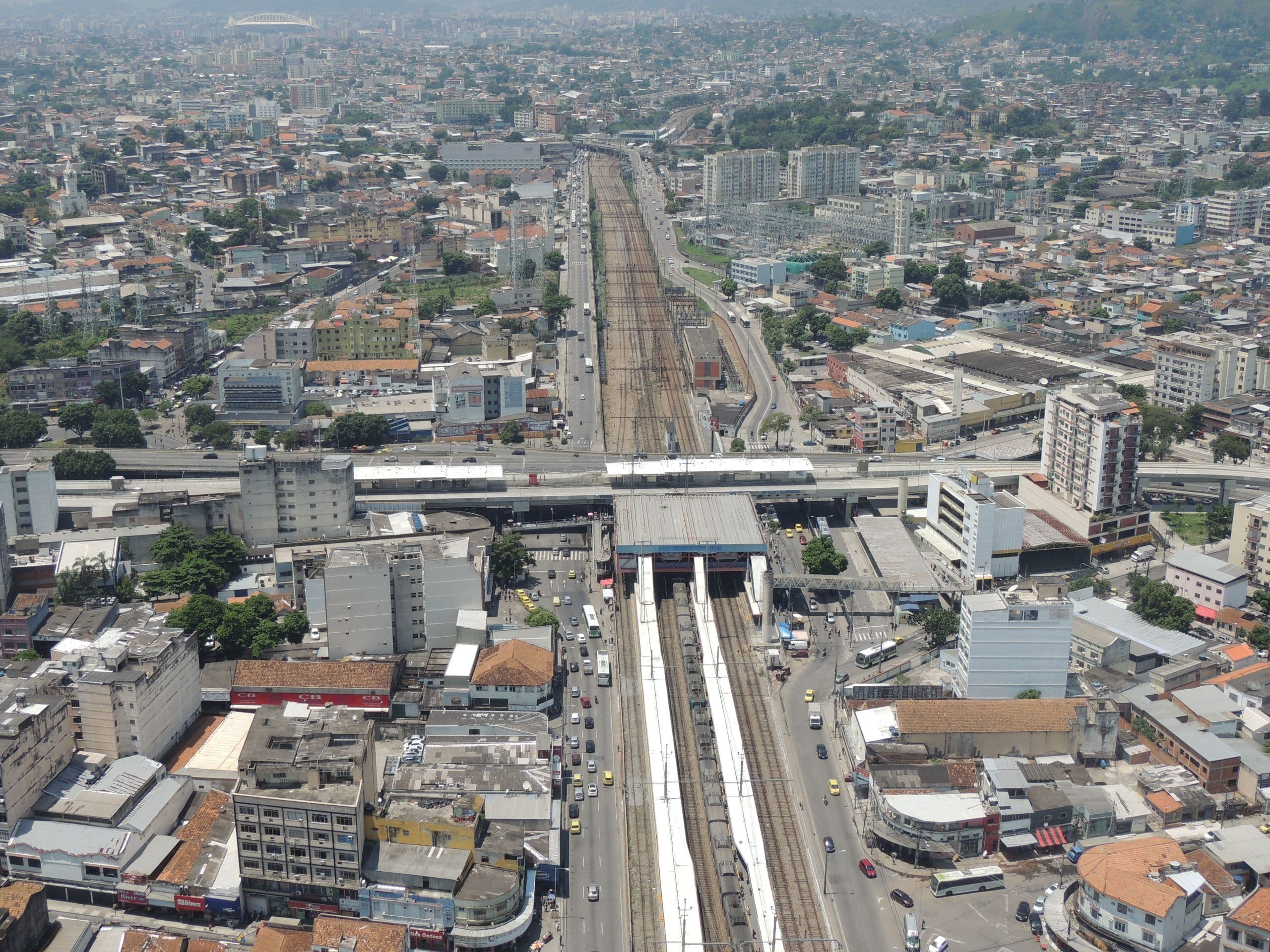
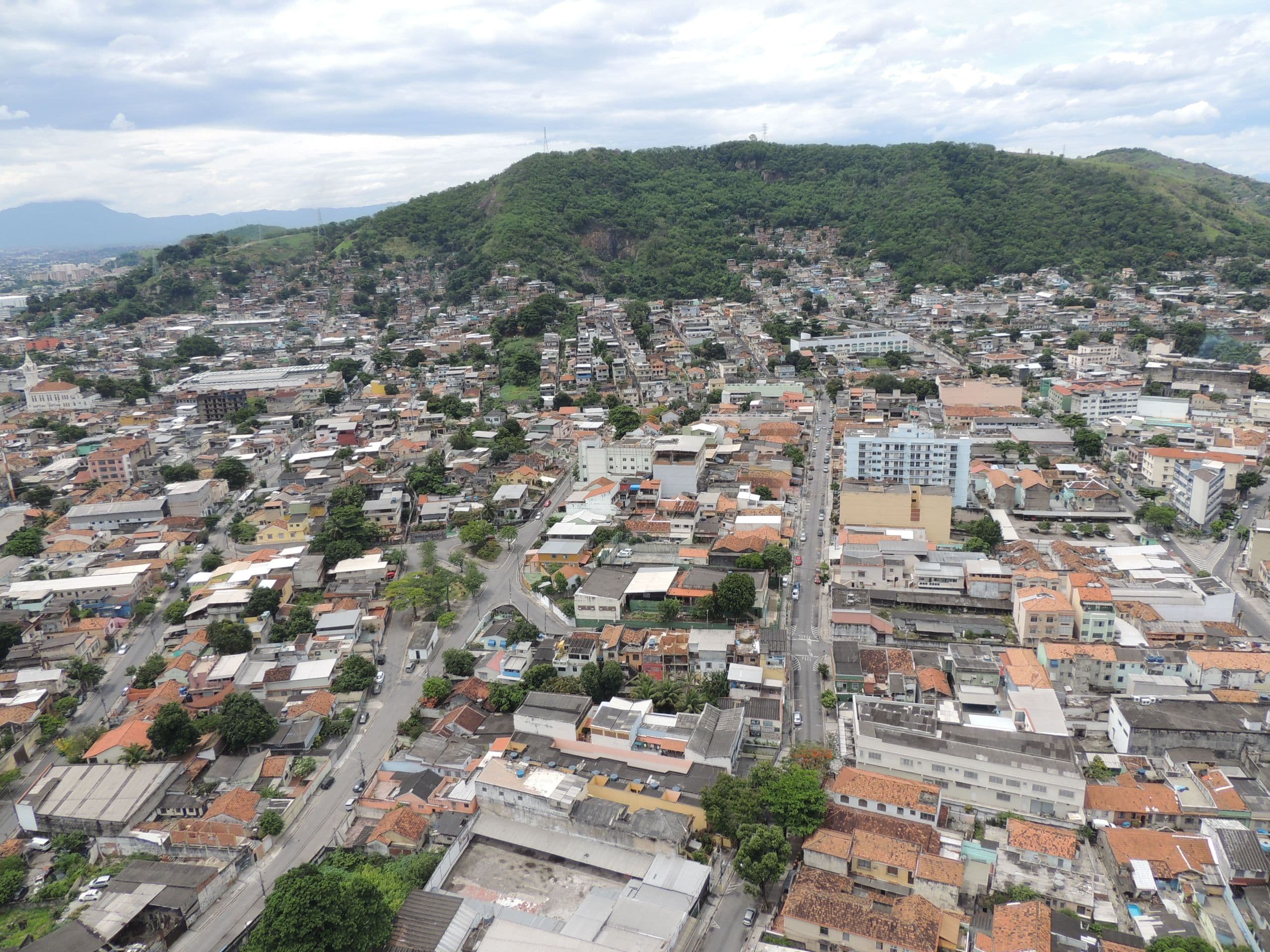
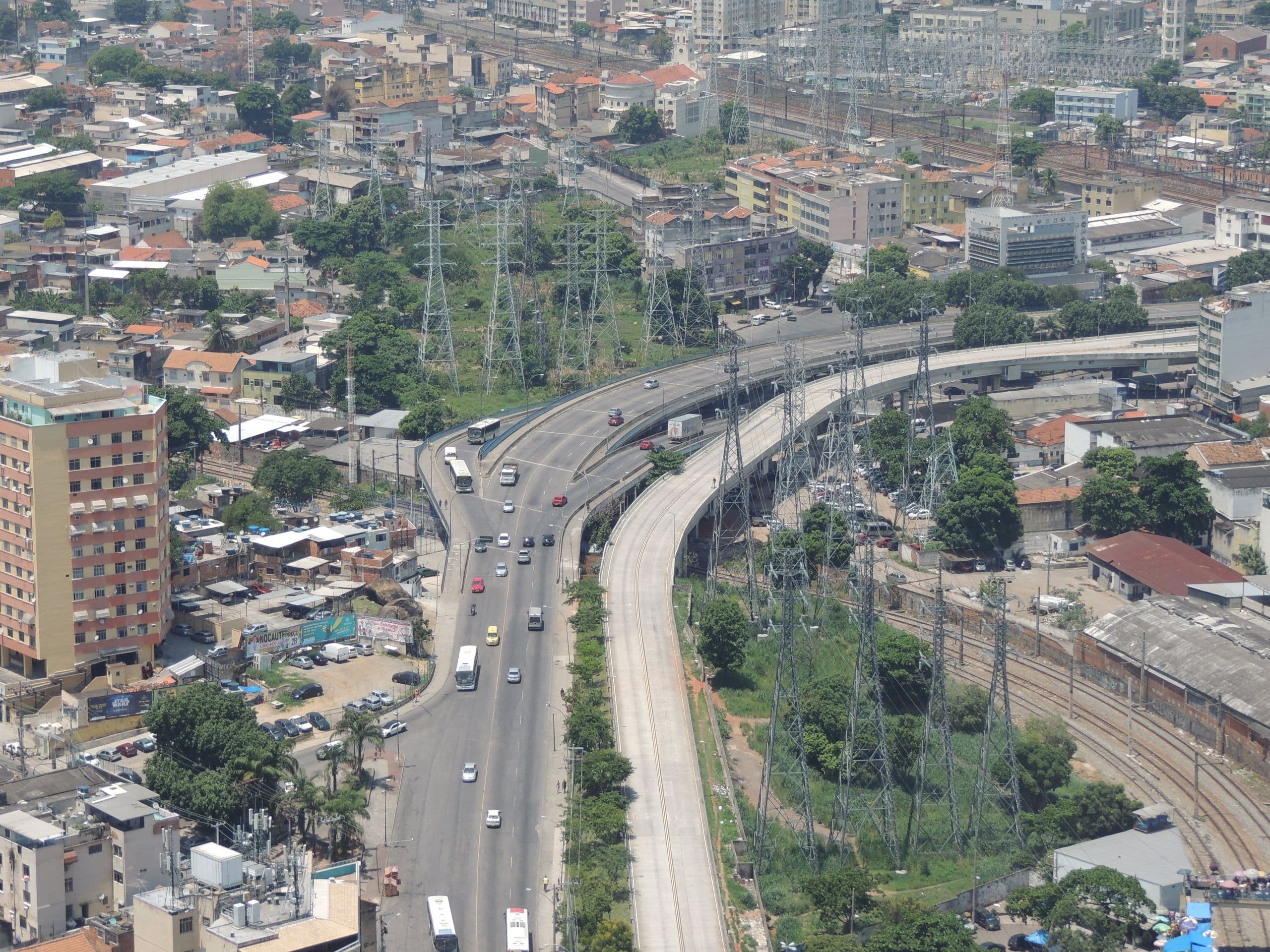
Cooling and draining a major commercial and transport hub in Rio de Janeiro's North Zone.
The Site
Madureira is a major commercial and transport hub in the North Zone of Rio de Janeiro, with dense development, busy streets and a vibrant cultural identity rooted in samba, Afro-Brazilian culture and popular commerce. The challenge area is the central hub around the Madureira overpass, about 0.5 km² with roughly 3,600 residents. An estimated 500,000 people pass through central Madureira on a typical day, and up to around one million at peak commercial periods, using the suburban railway, the TransCarioca BRT and the Mercadão de Madureira market.
These crowds meet serious climate risks. Dense development, extensive paved surfaces and little shade in some public spaces expose people to heat, while heavy rain disrupts mobility and commerce. Older people, children, street vendors and public transport users are particularly vulnerable. Strong wind gusts, overcrowded sidewalks, informal and formal commercial activity and transport corridors that fragment the urban fabric add to the pressure on public space.
The site sits where three of the sustainability corridors in Rio's Sustainable Development and Climate Action Plan (PDS) converge: brown (mobility), green (vegetation and ecological connectivity) and blue (drainage and flood risk). That makes it a priority area for integrated action, and its public spaces also host the community and cultural life of the neighbourhood, including events at the CUFA Dome and the Baile Charme under the overpass.
The Brief
Rio asks teams to make the area around the Madureira overpass cooler, better drained and safer to move through, without disrupting the commerce, transport and cultural life that define it. The ideas can inform Rio's PDS and other municipal plans.
Expected interventions include tree planting, shading structures, better pedestrian infrastructure, more vegetation, fewer impermeable surfaces and improved stormwater infiltration. Shaded rest areas with seating and drinking water are also expected. Solutions can be temporary or permanent, and teams are encouraged to combine nature-based solutions with adaptable urban design. Temporary interventions can serve as pilots that inform longer-term improvements. Proposals should preserve pedestrian circulation and fit with the existing urban fabric, including everyday activity and periods of peak use.
Since similar challenges affect other centres around railway lines and transport hubs across Rio, teams should aim for lessons that can be replicated elsewhere in the city. Proposals must also respect the rules for the railway, road and electricity transmission corridors that cross the area.
More information will be available in the Site Brief, and relevant documentation will be published in the Dataroom.
Questions?
If you have a question or would like more details on this site, use the form. Your message goes directly to the Rio de Janeiro site team; you will receive a response via email.